


Foot Care
Foots-Down on Foot care
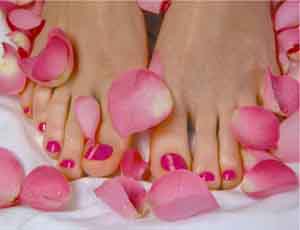
When our feet are reacting fine, we probably take modest notice of them. But yet, minor foot irritation can influence everything, from our frame of mind to equilibrium and constancy. Our feet are prepared of 26 bones, 38 muscles, 56 ligaments, and a complicated system of nerves and blood vessels. On a standard day we take an astonishing 4,000 to 6,000 steps. It is no speculate that with this stage of standard wear and tear, our feet can be inclined to any quantity of discomforts.
Exhausted, throbbing Feet
Our feet can turn out to be tired and uncomfortable after extended periods of eminence or taxing shoes that confine blood flow. Limit time in toning shoes by taxing a comfy 2nd pair while at your counter or while traveling in the car. Revolve a tennis ball under your foot to draw out and build up foot muscles.

To revitalize your feet, spurt a chilled mist of water with a small amount of drops of peppermint oil supplemented or roll a chilly drink-type can from the refrigerator under your bottom. 10-minute feet massage or kneading treatment will assist assess the health of your foot. At the identical time, you'll obtain the well-known remuneration of both foot treatments.
Dry Feet

After wearing sandals all through the summer and revealing your feet to the elements, they can effortlessly become dehydrated and begin to crack (fissure) and hemorrhage. Fissures can be quite excruciating and generate a hazard of infection.
Sporadically soaking feet in lukewarm water with 1/2 cup (125 ml) Epsom salts and a small number of drops of your favorite necessary oil will alleviate skin so you are able to eliminate dead skin with a pumice stone. Cease off the treatment by applying an accepted foot cream or 100 percent shea butter; cover feet with a duo of thick, breathable socks for at least a couple of hours.
Corns and Calluses
The bodies expected response to a region of resistance is the climax of deceased, thickened skin in the appearance of corns and calluses. Corns are cone-shaped tool shaped and found on the toes, while calluses emerge on the underside of the foot.
Ill-fitting shoes are over and over again the culprit. When purchasing shoes, for all time shop in the hours of daylight after feet have long-drawn-out, and always boast your foot measured. Habitually your feet are dissimilar sizes from one another, so choose the shoes that vigor the bigger foot and ask for a cushion insert for the added. You should be gifted to wriggle your toes while wearing your shoes and you be supposed to be able to fit your small finger between your heel and the back of the shoe.
To take care of calluses, immerse feet in a footbath with Epsom salts awaiting dead skin is soft and can be detached with a pumice stone. For corns, it is best not to confiscate dry skin. As an alternative make use of doughnut-shaped, non-medicated moleskin around the corn to shrink the probability of additional friction. Vitamin E practical to corns and calluses is extremely healing and also assists to alleviate the skin.